We Reuse Experience, Not Templates: How Custom Solutions Evolve
We can move faster because we've solved similar problems before. That doesn't mean the next business needs the same solution.
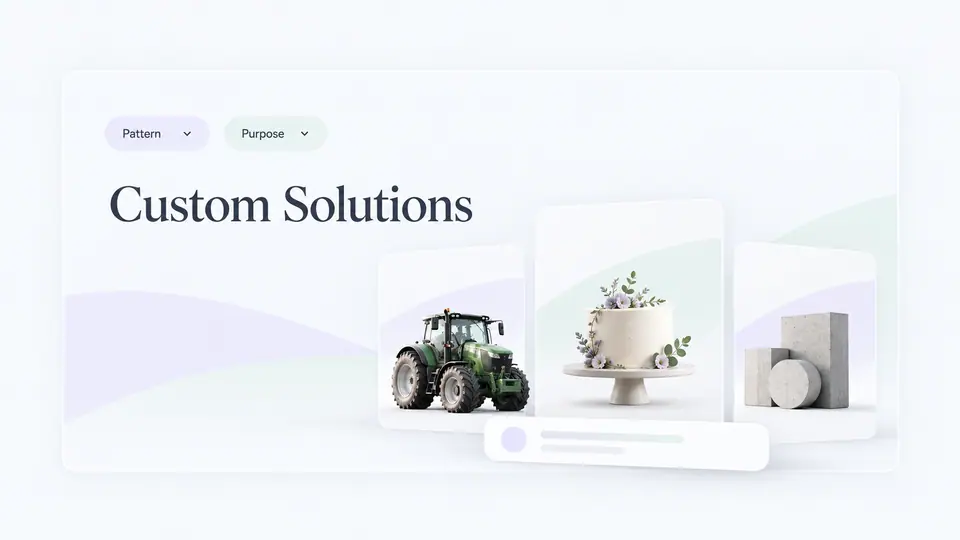
There are two things a company should expect from an experienced development studio. It should expect the team to know what has worked before. And it should expect the result to fit this particular business—not look like a recycled version of somebody else's project.
Those goals work together. At our studio, previous projects provide the foundation; the client, audience, and evidence determine the finished product.
A head start is not a finished design
Our first call with a new business often suggests familiar opportunities: a better product search, more useful articles, more credible customer stories, or a smoother path from information to an inquiry. We can discuss those ideas quickly because we've built and tested them before.
But the more useful insights usually come later. During conversations with the business owner, while learning how customers buy, we discover which assumptions need to change. Sometimes a familiar idea evolves into something we had never built before.
That is why we don't approach a new project as a collection of ready-made pages. We bring patterns and experience, not a predetermined outcome.
One testimonial system, different interfaces
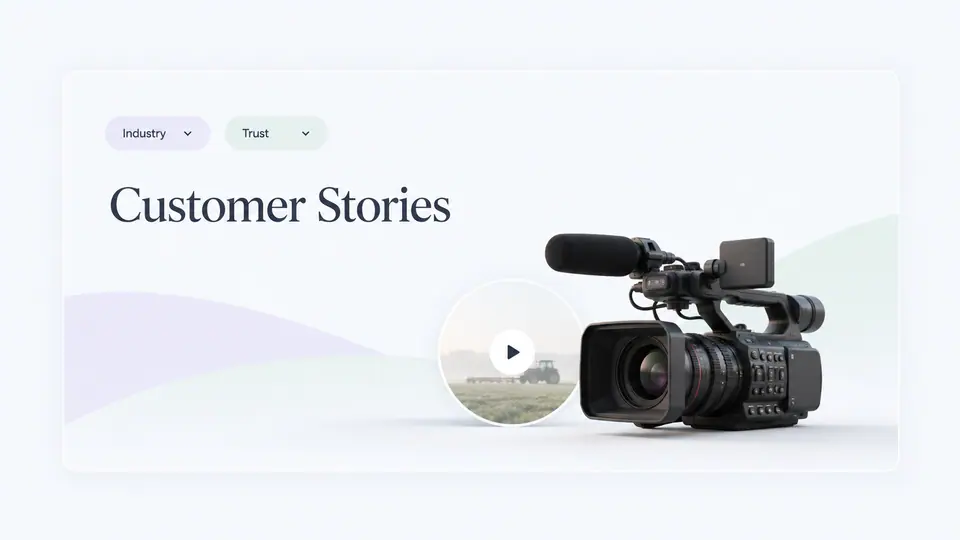
Video testimonials offer a good example. After conducting interviews for multiple clients, we already knew the questions worth asking, how to organize a shoot, and how to integrate real stories into a website. That repeatable process saved time.
The final designs, however, didn't repeat.
For an agricultural equipment supplier, we found that circular story-style previews with memorable takeaways were effective. For a concrete products company serving many professional buyers, a straightforward YouTube-style preview performed better. We learned this through A/B tests, not by choosing whichever version happened to look more fashionable.
We even tested adding a tiny two-line description to the concrete site's preview. The additional copy hurt performance, so we removed it.
A reusable interview process helped us produce the content. Experimentation told us how to present it. We standardized the process, not the result.

From related articles to a recipe shopping experience
In several earlier projects, we connected useful articles with relevant products. Someone reading about a topic could explore products directly related to that content, without having to restart their search in the catalog. We observed stronger engagement, more product exploration, and useful organic traffic from those content pages.
When we worked with a store selling confectionery ingredients and tools, we recognized the same opportunity. But an ordinary row of recommended products wasn't enough for a recipe.
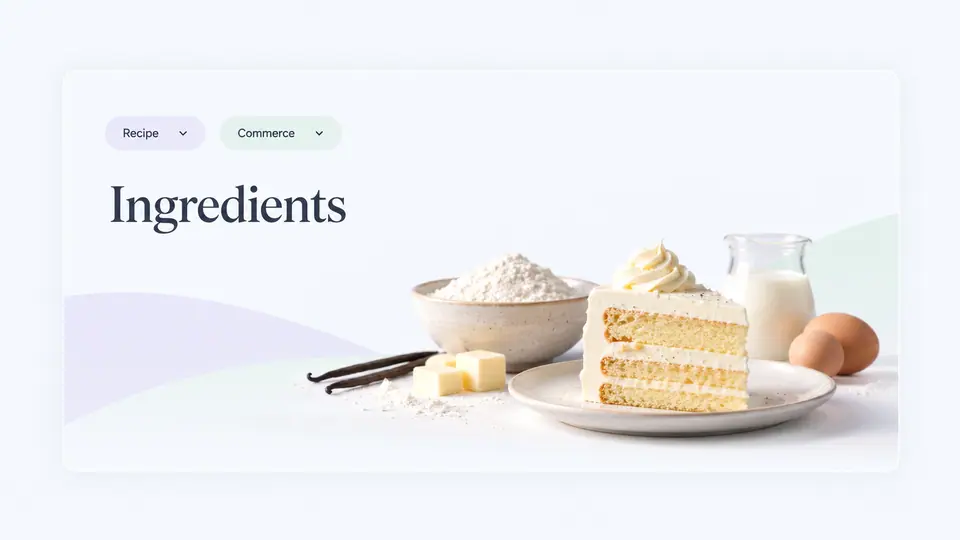
A person reading a cake recipe expects an ingredient list first. So we designed a table that made the ingredients easy to identify and shop for. Beneath it, we reused the product-card approach for tools such as mixing equipment and cake-decorating accessories.
The idea then grew beyond the original pattern. We added an option to put the listed ingredients into the cart in one step. Equipment remained optional. Later, we provided information about how many cakes an ingredient package could support, so customers could choose quantities themselves.
We considered automatically matching every package to a selected number of cakes, but decided against implementing that shortcut. Some products last for far more recipes than others, and manual choice was clearer than pretending one rule would fit every package.
We observed more ingredient purchases as the experience developed. We don't claim a controlled experiment proved that every increase came from one interface change; what matters here is how a proven content idea became a feature tailored to the way people actually bake and shop.

Experience makes experimentation more focused
A/B testing itself is a reusable practice. With experience, we know which questions are worth asking first: Will a short preview get more engagement? Does extra information help or distract? Is a product better shown as a card, a list, or a task-oriented table?
We still have to test the answer. But we waste less time inventing the question.
The same is true of technical components, content patterns, SEO-friendly organization, and social-sharing previews. A library of well-understood approaches is valuable because it lets us focus more attention on what makes the new client different.
Faster execution without cutting corners
Repeatable processes shorten implementation time. We don't need to relearn how to run a testimonial interview, build an accessible content block, or structure a basic experiment each time. We can move quickly to the decisions that need new thinking.
That speed is not a promise of a cheaper or generic product. It reflects the experience behind a custom one.
A good example of this is a recipe store: the underlying content-to-product idea was familiar, but the ingredients table, optional equipment, add-to-cart interaction, and quantity guidance were a new combination built for a specific buying journey.
What we believe
Businesses aren't interchangeable. Their customers don't browse, compare, or buy in identical ways. So even when two projects share familiar components, the final structure, wording, interactions, and priorities can—and often should—be different.
We reuse experience as a foundation. We adapt and improve the solution for the business. That's how existing knowledge can make development faster while keeping the result genuinely custom.