Small Search Phrases, Big Business: Our Long-Tail Advertising Approach
We learned that a large collection of narrow searches can be more valuable than trying to win every expensive headline keyword.
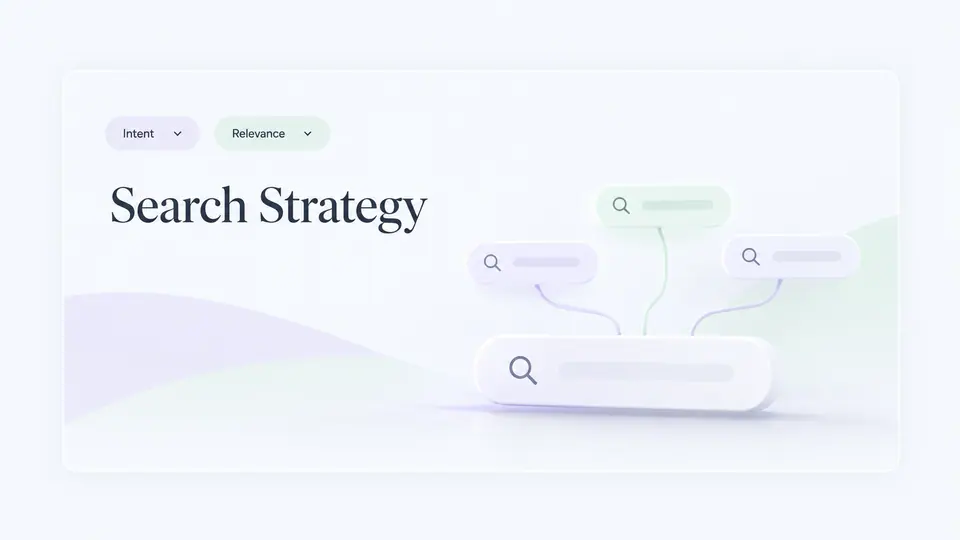
When we worked on advertising for specialized equipment, we had a choice. We could put most of the budget behind a handful of obvious product terms. Or we could spend time learning the language buyers actually used—including long phrases, abbreviations, nicknames, regional wording, and familiar spelling mistakes.
We chose to do both, but with different roles for each.
One long-tail phrase is small. Thousands are not.
A very specific query may be searched only occasionally. But if you can identify hundreds or thousands of useful variations, their combined demand can become significant.
We collected keyword ideas manually, using a search-term research tool and our own knowledge of how people described products. We included official names, common synonyms, informal variants, and regional expressions.
We also researched frequent misspellings. Those mistakes belonged in keyword targeting where the advertising platform allowed them—not in the actual ad text. The copy shown to buyers remained correctly written and professional.
Some unusual variants faced much less bidding competition than broad product words. Individual queries brought modest traffic, but together they created substantial reach.
The work behind the automation
We built a companion application to produce many combinations of titles, descriptions, and supplemental ad links from the structured terminology we had assembled. The application checked text-length constraints and surfaced near-duplicates for review. We then removed weak or repetitive combinations.
A specialist prepared and uploaded the final campaigns, and bidding decisions remained manual. We were not operating a magical fully automatic advertising system. We had developed tools that made the labor-intensive drafting and quality-control process much more manageable.
This division of work mattered. The application handled scale. A person remained responsible for relevance and campaign decisions.

Long-tail and short-tail had different jobs
Longer phrases often converted well because the visitor had expressed a more specific need. Shorter, competitive phrases reached people who hadn't described their needs in detail and helped the business remain visible among established suppliers.
We kept a defined budget for those broad terms. Even when clicks were comparatively expensive, we could evaluate them against the wider economics of the campaign.
We also looked inside successful long phrases for shorter combinations that competitors appeared to overlook. Some of those became additional short-term opportunities at favorable click prices. We sometimes started with modest bids and watched real results before expanding.
Not every experiment worked. A few expensive terms consumed budget without adequate returns, and our analytics helped identify where to refine or stop them.

We cared about sales, not just clicks
Our custom reporting connected visits, campaign information, inquiries, and actual purchases when those events could be associated. It gave us a way to estimate acceptable acquisition costs and understand how much bidding flexibility remained.
There were ambiguous shorter terms too: words that could mean something else outside the industry. Those sometimes produced weaker engagement than tightly relevant phrases. We refined the targeting and messages rather than treating every extra visit as a success.
From one real project, we recall an approximately sixfold improvement in traffic for a similar advertising budget. That is an experience-based estimate, not a preserved audited benchmark, and it should not be treated as a promise for other campaigns. The more important outcome was that the lead-to-sale funnel remained healthy, with some segments performing better as relevance improved.
Why the methodology still matters
Advertising platforms and privacy practices change. Features available in historical systems don't necessarily work the same way in current Google Ads. A modern campaign needs current policy checks, realistic data access, and careful measurement.
But the underlying thinking survives those changes: collect the real vocabulary of customers, reduce wasted competition, use automation where it improves quality, and judge the strategy by business outcomes rather than impressions alone.
Sometimes the advantage isn't outbidding everyone else. It's discovering a more precise conversation that competitors never thought to enter.