Hire Three More People—or Fix the Lead Process? A CRM Case Study
When incoming inquiries outgrow the inbox, adding staff is not always the first or best fix.
We worked with a business selling household ozone-related equipment in a competitive market. Marketing was bringing in inquiries. That was the good news. The problem was what happened next.
Requests arrived by email, the people responsible for responding were overloaded, and some potential customers waited too long for a callback. By the time the business got back to them, the buyer had sometimes found another supplier or simply lost interest.
A campaign can attract a highly motivated customer in minutes. A slow follow-up can waste that opportunity just as quickly.
The obvious proposal: hire more people
During a meeting about how to handle the incoming volume, the owner considered hiring three more employees to manage the workload. It was understandable: there was too much work for the person currently handling inquiries, and the situation wasn't improving on its own.
We suggested a different sequence: organize the process first, then hire based on the work that remained.
Instead of treating every email as an isolated message, we proposed a lightweight CRM built around the actual way the business followed up with prospective buyers.
From scattered messages to a working queue
We moved lead records into a database-backed system with a central view for the team. Rather than relying on someone to remember the status of every conversation, the interface made it possible to see what needed attention and when.
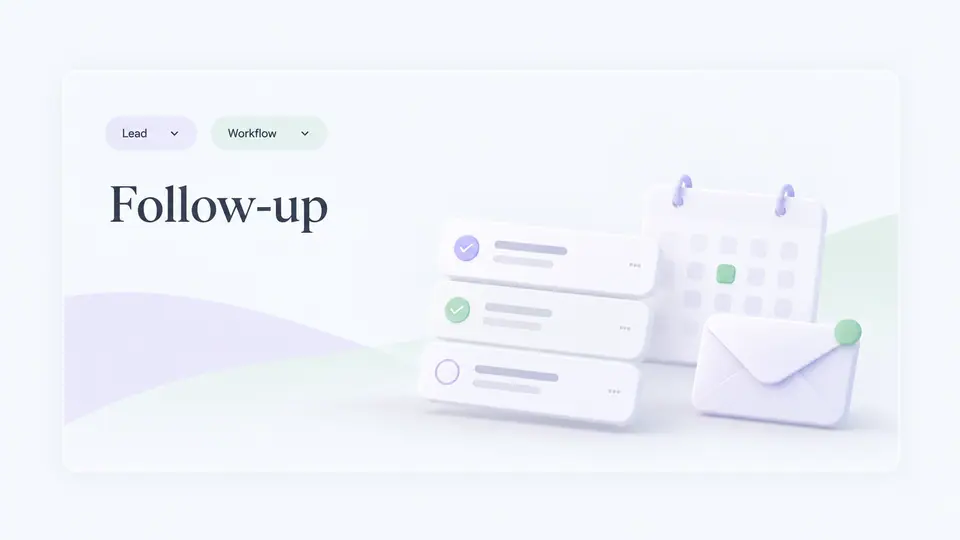
The team could record whether a person needed a call now, on Monday, next Tuesday, or after another agreed interval. The system made the next action visible, including requests that might otherwise disappear beneath a growing inbox.
It wasn't a giant enterprise software rollout. It was custom software that solved a practical bottleneck: make incoming opportunities visible, assign follow-up work, and keep track of what happens next.
The existing employee had other responsibilities and had been temporarily covering lead handling. The revised plan therefore included hiring one person focused on the new workflow rather than proceeding with the proposed three additional hires.

The result wasn't just fewer clicks
The business adopted a more organized way to process inquiries, and the owner changed the hiring plan from three additional people to one specialist. That avoided two planned hires compared with the original proposal.
We wouldn't claim the CRM eliminated every missed lead, or invent an exact increase in revenue. The value was visible in the workflow: inquiries were recorded, follow-up dates were easier to manage, and the employee responsible had a system rather than a crowded inbox.
In sales, that distinction matters. A response that arrives while the buyer is still evaluating options has a very different chance than one that arrives after the purchase is already made.

A better website cannot fix a broken follow-up alone
This case changed how we discuss marketing and development with clients. More traffic is useful only if the organization can handle the interest it creates.
Sometimes the best next feature isn't another landing page. It's a lead dashboard, an assignment workflow, a follow-up reminder, or a reliable connection between the website form and the team that answers it.
Good automation doesn't necessarily remove people from a process. It gives those people clarity and time to do the part that genuinely requires a human conversation.
Build capacity before pouring in more demand
When inquiries start slipping through the cracks, hiring might eventually be necessary. But first ask whether the team can clearly answer three questions: Who is responsible for this lead? What is the next action? When must it happen?
If the answers are scattered across inboxes and memory, there may be a better way to grow.
Sometimes the highest-impact website improvement starts after the form has been submitted.