Beyond a New Design: Rebuilding a Concrete Manufacturer's Website Around Buyers
Advertising can bring visitors to a website. What happens after they arrive is a different engineering problem.
When we began working with a concrete products manufacturer, its marketing had room to grow. But we also saw a problem that couldn't be solved by better advertising alone: the website made basic tasks harder than they needed to be.
The company sold a broad range of real, tangible products—from foundation blocks and paving to well rings and other precast components. Buyers needed to compare items, find dimensions and related products, and feel confident that the supplier could handle their orders.
Instead, the existing site offered an awkward search experience and product photography that didn't do the business justice.
A search box that fought the customer
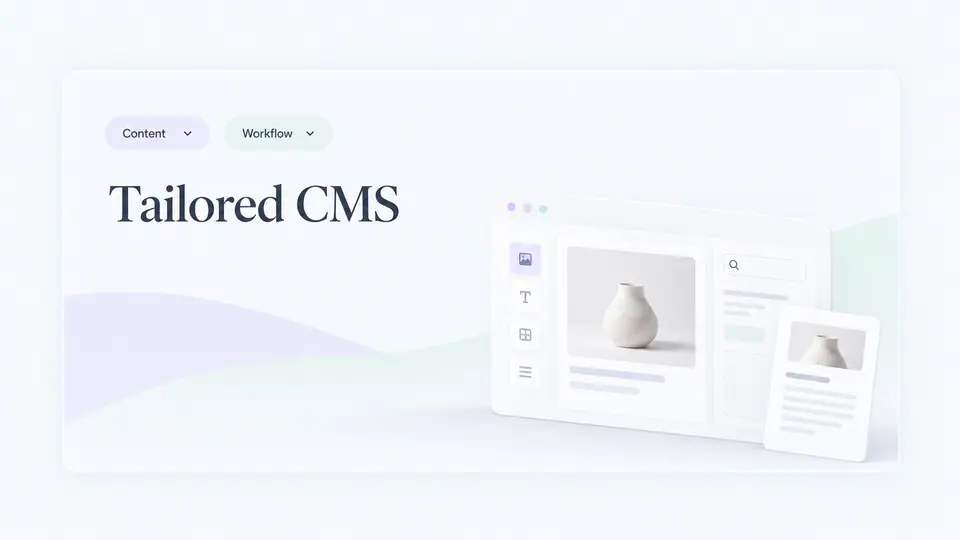
The older site used a third-party search component on a content management platform. In practice, typing into it could behave unpredictably, including losing or resetting the user's input. Unnecessary animations added distraction without helping anyone locate a product.
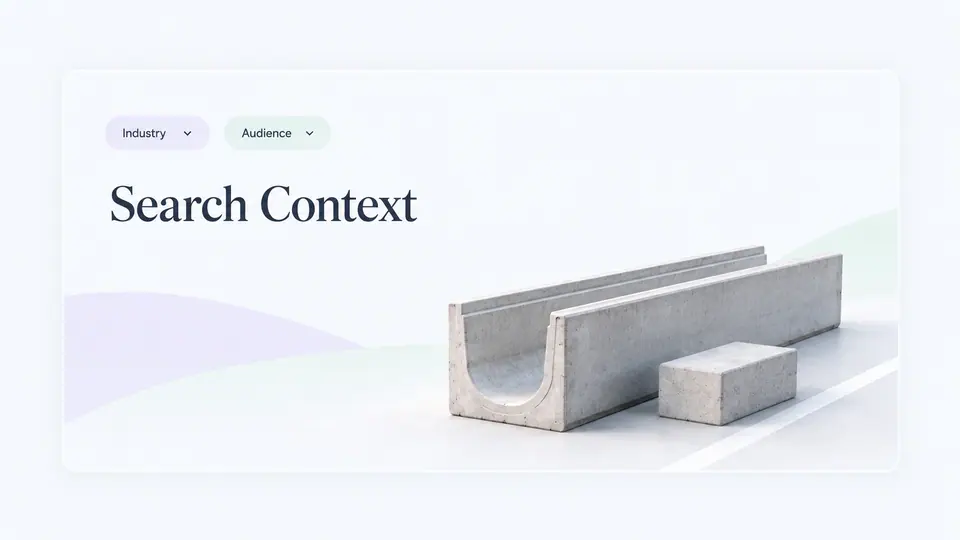
We replaced it with a more focused search system on our custom website platform. Visitors could start entering a query and see relevant options with previews. The results were designed around the manufacturer's actual catalog, not around the features of a general-purpose plugin.
This was the first version of a search approach we would later refine and reuse for other businesses, including an agricultural equipment site. The later version was more sophisticated, but the original problem was simple: make finding a product feel immediate and dependable.

We went to the factory and took better photographs
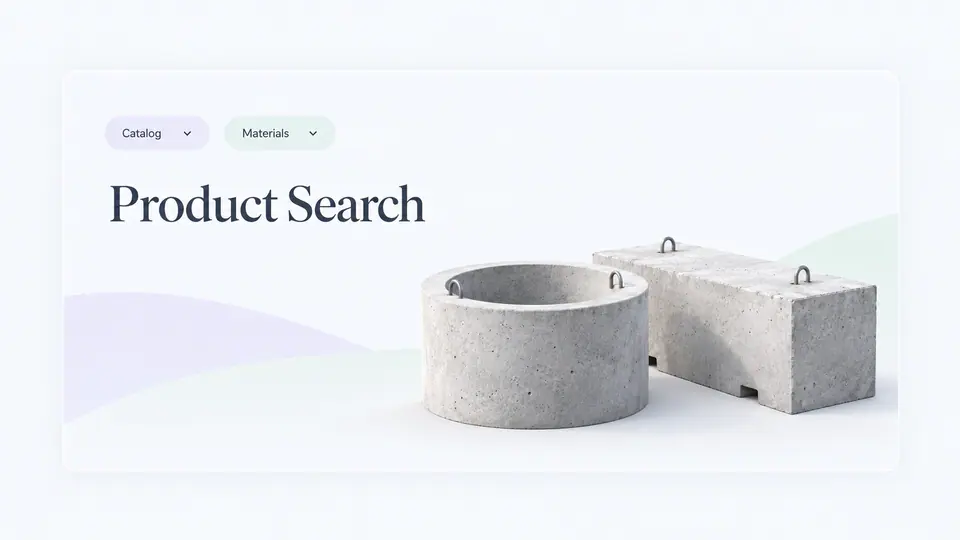
The product images were another obvious weak point. We visited the location and photographed the products ourselves, replacing blurry or unconvincing old images.
For buyers considering heavy materials, a useful photograph is more than decoration. It makes the item easier to understand, supports the product description, and helps establish that the business has real stock and real manufacturing capability.
We combined better photography with cleaner product cards, a more coherent visual hierarchy, and faster page loading. We also made sure users could explore related items; a person looking for foundation blocks might discover paving or other materials relevant to the same property project.

Trust needed its own place on the site
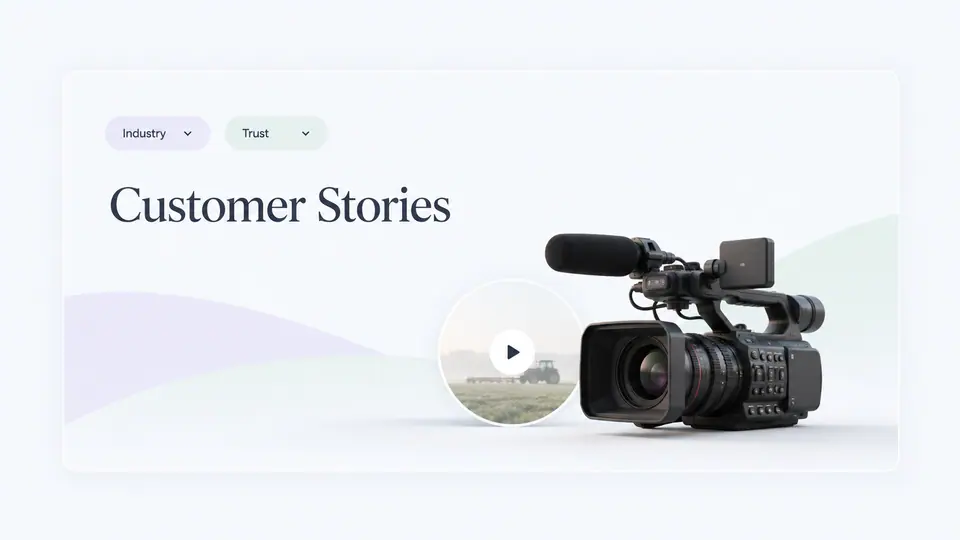
We also collected genuine video testimonials. Customers spoke about their purchases and experiences, and we integrated those stories into the site rather than leaving them isolated on a video platform.
We tested two presentation styles: circular story-like elements and traditional video previews. The classic YouTube-style layout performed better for this company's audience. A later test showed that adding two lines of description to the video previews actually made the block less effective, so we kept it simple.
This is an important part of custom website development: the winning layout was selected through observation, not copied from whichever design we liked most.
What changed
After the redesign and marketing work, we saw stronger organic search visits, better engagement, and improved conversion indicators. Customers found products more easily, and the site presented the manufacturer much more professionally.
We don't have a trustworthy isolated figure showing that any one design element caused a particular percentage of sales growth. Several changes happened across the broader project. But the direction of the observed metrics supported the decisions we made.
The improved website also supported a more creative advertising strategy, including reaching buyers through adjacent interests such as rural property projects and road construction procurement.
A new website isn't just a new coat of paint
A useful rebuild should remove real friction: unreliable search, weak imagery, slow loading, confusing product discovery, and an absence of evidence that buyers can trust.
For this manufacturer, the website became a better place to turn demand into useful conversations. It wasn't just prettier. It was a more effective tool for the business.